
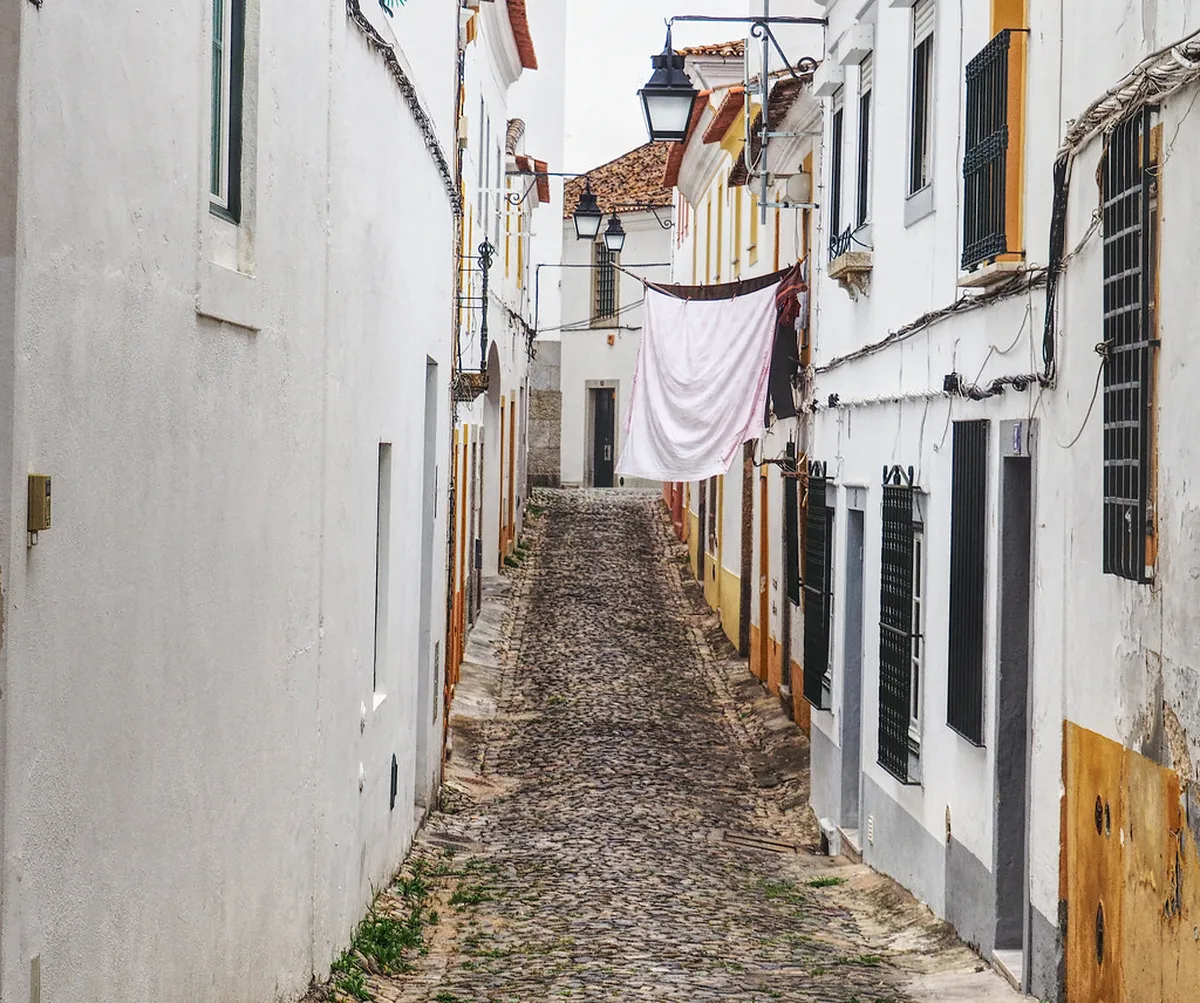
Évora is a stunning open-air museum located in the heart of Portugal. This city offers layers of history from Roman ruins to medieval streets. Walking is truly the best way to uncover its hidden municipal treasures. You will find ancient walls and charming whitewashed houses at every turn.
Exploring on foot allows you to set your own relaxed pace. The historic center is compact and very easy to navigate without cars. However, certain logistics require careful planning to ensure a smooth trip. Following these essential tips for walking in Évora will improve your experience.
Why Évora is Perfect for Exploring on Foot
For practical details and last-minute changes, use Câmara Municipal de Évora.
For practical details and last-minute changes, use Lonely Planet Évora Guide.
The city of Évora is a UNESCO World Heritage site for many reasons. Most major attractions are located within the protective medieval city walls. This proximity makes it an ideal destination for curious pedestrian travelers. You can easily walk between famous landmarks in just a few minutes.
The streets are narrow and filled with historical architectural details. Walking allows you to appreciate the unique yellow and white house trims. You will discover local craft shops that cars simply cannot reach. The slow pace matches the relaxed vibe of the Alentejo region.
Timing your visit is crucial for a comfortable outdoor experience. Many visitors prefer to learn about the best time of day for Evora walking tours before arriving. Early mornings or late afternoons offer the most pleasant temperatures. Midday heat in summer can make walking quite challenging for many.
10 Essential Tips for Walking in Évora Today
Planning a walking route requires a bit of local knowledge. You should prioritize major sights like the Roman Temple and Cathedral. Finding the right starting point will save you time and energy. It is helpful to know how to reach the Giraldo Square meeting point easily.
Many visitors choose guided options to enhance their educational journey. A free walking tour in Evora provides incredible historical context. Guides explain the significance of the Bone Chapel and ancient ruins. These tours usually cover the most important monuments in the center.
Always carry a small water bottle during your daily excursions. Hydration is key when navigating the sunny streets of southern Portugal. You will find various public fountains offering cool water for free. Take regular breaks in the shaded parks located near the walls.
- Choose Footwear with Excellent Traction and Support
- Type: essential gear
- Why go: cobblestones are slippery
- Best for: foot comfort
- Where: entire historic center
- Time: all day
- Cost: free to wear
- Getting there: wear your shoes
- Tip: avoid thin sandals
- Start Your Journey at the Giraldo Square Hub
- Type: meeting point
- Why go: central navigation point
- Best for: easy orientation
- Where: Praça do Giraldo
- Time: 20 minutes
- Cost: free access
- Getting there: follow main signs
- Tip: grab a local map
- Use Offline Digital Maps for Complex Medieval Alleys
- Type: navigation tool
- Why go: narrow streets confuse GPS
- Best for: finding shortcuts
- Where: Mouraria district
- Time: continuous use
- Cost: free apps
- Getting there: download at hotel
- Tip: save battery power
- Visit the Roman Temple During the Early Morning
- Type: historical sight
- Why go: avoid large crowds
- Best for: photography lovers
- Where: upper town
- Time: 30 minutes
- Cost: free viewing
- Getting there: walk uphill
- Tip: watch the sunrise
- Carry Small Cash for Refreshments in Local Cafes
- Type: practical tip
- Why go: some shops skip cards
- Best for: buying snacks
- Where: side streets
- Time: quick stop
- Cost: 5-10 Euros
- Getting there: use local ATM
- Tip: keep coins handy
- Book a Local Guide for Deeper Historical Insights
- Type: guided activity
- Why go: hidden stories shared
- Best for: history buffs
- Where: city center
- Time: 2-3 hours
- Cost: varies by tour
- Getting there: book online
- Tip: ask questions often
- Plan Your Route to Include Shaded Walking Paths
- Type: routing strategy
- Why go: avoid sun exhaustion
- Best for: summer travel
- Where: under large arches
- Time: midday hours
- Cost: free choice
- Getting there: look for shade
- Tip: use narrow alleys
- Check Official Opening Times for Major Religious Monuments
- Type: planning tip
- Why go: avoid closed doors
- Best for: efficient timing
- Where: Cathedral and Bone Chapel
- Time: 5 minutes check
- Cost: free research
- Getting there: check web sites
- Tip: avoid lunch breaks
- Stay Aware of Occasional Vehicle Traffic in Alleys
- Type: safety tip
- Why go: locals still drive here
- Best for: child safety
- Where: shared streets
- Time: throughout walk
- Cost: zero cost
- Getting there: walk on edges
- Tip: listen for engines
- Explore the Extensive Public Park Near the Walls
- Type: relaxing experience
- Why go: beautiful garden views
- Best for: families
- Where: Jardim Público
- Time: 1 hour
- Cost: free entry
- Getting there: south city wall
- Tip: see the peacocks
Understanding the Terrain of the Historic Center
The terrain in Évora is relatively flat but has some slopes. The highest point is located near the Cathedral and Roman Temple. Walking toward this area requires a steady climb on cobblestone streets. The pavement consists of traditional small stones called calçada portuguesa.
These stones can become very slick when they are wet. Even on dry days, many surfaces have been polished by time. It is wise to choose shoes with high-quality rubber soles. This ensures you maintain a good grip while navigating inclines.
Accessibility can be a concern for those with limited mobility. Some streets are extremely narrow and lack dedicated sidewalk space. However, several main routes have been modified for better accessibility. The city is actively working to improve the walking experience.
Best Neighborhoods and Routes for Wandering
The Mouraria neighborhood is one of the most atmospheric areas. It features winding streets that dating back to the Moorish period. Flowing through these alleys feels like stepping back in time. This is a fantastic place for photography and quiet exploration.
Following a historic center Evora walking tour route is highly recommended. This helps you see the most significant architectural styles together. You will pass by Gothic, Renaissance, and Manueline style buildings. Most of these landmarks are situated within a small radius.
The walk along the Aqueduct of Silver Water is unique. This massive structure stretches deep into the city neighborhoods. Houses have actually been built into the arches of the aqueduct. It is one of the most interesting sights in Portugal.
Practical Planning for Your Alentejo Adventure
Deciding on a tour type depends on your personal interests. You might need to know how to find free walking tours in Evora quickly. Most tours originate in the central square during the morning. Online booking ensures you have a spot during peak months.
When joining a tour, consider the local tipping customs properly. It is helpful to research the expected tip for free walking tour in Evora beforehand. Tipping reflects your appreciation for the guide's expertise and time. Usually, a small cash contribution is standard for these services.
The summer months in the Alentejo are famously very hot. Plan to do most of your walking before eleven in morning. The winter is mild but can be quite rainy and cold. Check the weekly weather forecast before packing your walking gear.
Frequently Asked Questions
Is Évora easy to explore on foot?
Yes, the city is very walkable. Most historical sites are located close together. You can see the major highlights in a few hours of walking.
What should I wear for walking in Évora?
Wear comfortable shoes with good traction. Cobblestones are uneven and can be slippery. Light clothing is best for the warm Portuguese sun.
Are there hills in the historic center?
The center has some gentle slopes and inclines. The Roman Temple lies at the highest point. Most paths are manageable for people with average fitness.
Walking in Évora is a rewarding way to experience Portuguese history. The city reveals its best secrets to those who travel slowly. By following these tips, you will have a safe journey. You can find more travel resources at our main travel site.
Remember to respect the local residents and the historic monuments. Enjoy the unique atmosphere of this ancient capital in Alentejo. Your walking adventure in Évora will be a memorable experience. Pack your bags and prepare for a wonderful time exploring.